We all love the smell of a good meal. There is nothing quite like the comforting aroma of roasting garlic or simmering spices filling your home. But as wonderful as that cooking experience is, it comes with a greasy, invisible byproduct: airborne oils and particulate matter. Over time, this residue doesn't just disappear; it builds up, forming a sticky, often alarming layer inside your kitchen's most crucial ventilation appliance—the range hood.
Many homeowners treat their range hood like a decorative piece of stainless steel, admiring its sleek design while ignoring its mechanical heart. However, this unit is far more than a visual element; it is a critical piece of home safety and air quality equipment. If you've ever paused while cooking and found yourself wondering, when was the last time my range hood was professionally cleaned?, you are asking one of the most important questions a homeowner can ask. This comprehensive guide will explain why professional cleaning is non-negotiable, what you should look for, and how you can keep your kitchen breathing clean for years to come.
Understanding the Hidden Hazards of Grease Buildup
The seemingly benign act of cooking is, in fact, a chemical process that generates significant amounts of combustible particulate matter. This is the source of the hazard. When grease and smoke are sucked into the hood, they don't just float away; they adhere to the filters, the ductwork, and the internal mechanisms. This buildup is not merely an aesthetic issue; it poses genuine risks to your safety, air quality, and the efficiency of your kitchen.
What Exactly Accumulates in a Range Hood?
The materials that accumulate are a sticky cocktail of kitchen residue. It’s far more complex than just visible splatters.
- Fine Grease Film: This is the primary culprit. It coats every surface, acting like a sticky, hydrocarbon sponge. Combustible Particulates: These include carbonized food particles, microscopic splatters of oil, and smoke residue. Dust and Airborne Pollutants: While the hood is designed to capture cooking smoke, it also pulls in general household dust, which mixes with the grease, creating a highly combustible sludge.
This combination means that a neglected range hood is essentially a ticking time bomb. It can dramatically reduce the hood's efficiency, making it work harder and pull less clean air, and worse, it can become a significant fire hazard if exposed to an open flame or overheating element.
Identifying the Warning Signs of a Dirty Hood
Often, the signs of neglect are subtle, making it easy to dismiss the issue until it becomes an emergency. You don't need a hazmat team to tell if your hood needs attention; sometimes, your senses are enough.
Performance Degradation Versus Visible Grime
It’s a common misconception that if you can’t see the grease, it isn't there. This is where the danger lies. The most insidious problems are those that affect performance, not just appearance.
- The Smell Test: Does the hood smell faintly of smoke or stale oil, even when you aren't cooking? This lingering odor suggests that trapped grease is slowly oxidizing and polluting the air. The Power Struggle: If your hood seems to run constantly, yet you still feel the air quality dropping quickly, it might be struggling against a clogged system. The motor has to exert excessive force, which is a sign of resistance. Visual Clues: While deep internal cleaning requires professional tools, you should still check the visible components. Are the filters stained yellow or brown? Do they appear sticky, rather than merely dusty? If the answer to either question is yes, it’s time to start thinking seriously about when was the last time my range hood was professionally cleaned?
If the hood is struggling, it’s like asking a bicycle to run a marathon—it’s going to fail, and probably with a dramatic screech.
The Professional Deep Clean: What to Expect
While routine filter cleaning (which you should do yourself regularly) is vital, a professional service is necessary for the deep-down components—the ductwork, the motor housing, and the internal vents.
The Mechanics of a Deep Clean
A professional service goes far beyond simply wiping down the exterior. They are essentially performing an industrial-grade restoration.
- Filter Cleaning: They will remove the mesh filters and use specialized degreasers to break down the polymerized oils that standard dish soap simply cannot touch. Ductwork Inspection and Cleaning: This is the most critical part. The ductwork—the hidden pathway that carries the air—is where the worst, thickest buildup occurs. Professionals use specialized vacuums and cleaning solutions to ensure these internal channels are clear. Motor and Housing Check: They will also inspect the motor and surrounding electrical components to ensure there is no buildup that could impede function or create a fire risk.
As one HVAC expert wisely notes, "A dirty hood isn't just an annoyance; it’s a structural failure waiting to happen."
Beyond the Shine: Long-Term Prevention and Care
Even after a pristine cleaning, the work isn't over. Think of professional cleaning as a massive tune-up; it keeps the engine running smoothly, but you still need to drive it responsibly.
Simple Habits for Maximum Lifespan
Maintaining a clean range hood is about building sustainable habits. Consider these actionable steps:

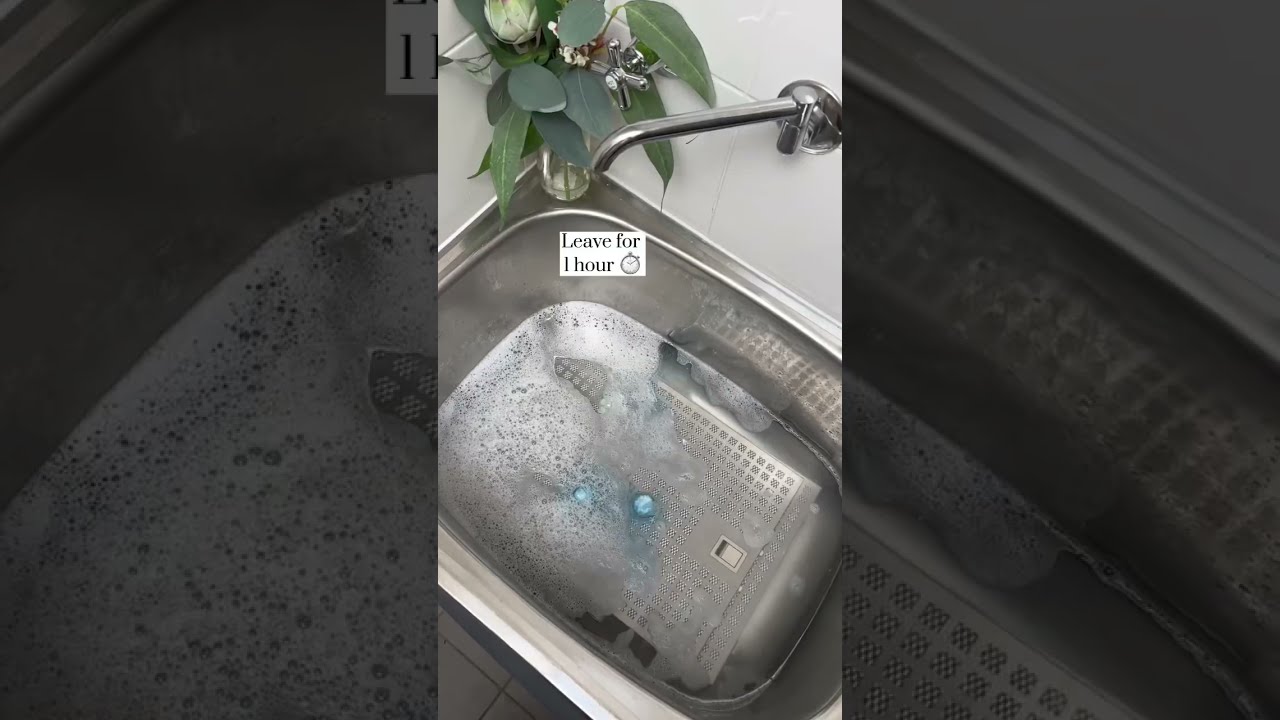
- Use the Hood Always: Never cook high-smoke meals (like searing steaks or deep-frying) without the hood running at full power. Clean Filters Frequently: Grease filters should be soaked and washed at least every 4–6 weeks, depending on your cooking habits. Ventilation Strategy: If possible, use the range hood and open a nearby window simultaneously. This creates a powerful cross-breeze that aids in exhausting pollutants.
Do you really want your kitchen to be a smoke-filled relic of culinary history? A little preventative care goes a long way toward keeping your appliances functioning like new.
Ensuring Your Kitchen Air is Always Pristine
The maintenance of your range hood is a silent guardian of your home's air quality and safety. Ignoring its condition is like ignoring the warning lights on your car—it's a risk you can't afford to take. By understanding the hidden dangers of grease, recognizing the subtle signs of decline, and scheduling that professional deep clean, you are not just making your kitchen look better; you are making it safer and more efficient.

If you are still https://jsbin.com/yevinuzeki unsure about when was the last time my range hood was professionally cleaned?, don't wait for the smoke alarm to give you a lecture. Scheduling a check-up is a small investment that pays massive dividends in safety, efficiency, and, most importantly, the health of your family. A clean hood ensures that the only thing you smell is the delicious success of your next meal.