The feeling of walking into a spotlessly clean space—whether it's your home, https://archerojmu580.fotosdefrases.com/breathe-easier-why-a-professional-service-to-clean-built-up-carbon-in-rangehoods-is-essential office, or commercial area—is unmatched. It feels like hitting the reset button on grime and dust. Professional cleaning services are fantastic investments, but the reality is that life gets messy. The question, "How can I maintain cleanliness between professional cleanings?" is one that plagues every homeowner and business manager. You don't want to rely solely on expensive deep cleans; you want sustainable, manageable strategies that keep things looking sharp without demanding the time and effort of a full-time cleaning crew. Fortunately, maintaining a high standard of hygiene doesn't require becoming a professional cleaner yourself. It requires adopting smart habits and focusing your efforts where they matter most.
Establishing the Baseline: The Mindset Shift
Before diving into specific products or tasks, we must address the root cause of maintenance difficulty: the expectation that cleanliness is a single event. It isn't. Think of maintaining cleanliness not as a chore, but as a rhythm—a routine that keeps the dust bunnies from staging a coup. A major shift in mindset is required: viewing daily upkeep as preventative medicine, rather than reactive deep cleaning.
The Power of Habit Stacking
Habit stacking is a brilliant psychological trick that turns chores into automatic actions. Instead of waiting for "cleaning time," you link a small cleaning task to an existing daily habit. For example, every time you pour a cup of coffee, wipe down the counter surface. Every time you leave the bathroom, give the sink basin a quick swipe. These micro-actions are often the most effective tools in your maintenance arsenal.

- Quick Wipe-Downs: Designate a cleaning wipe and spray solution that is always visible and easily accessible in high-traffic areas (e.g., kitchen counters, bathroom vanity). The 5-Minute Sweep: Commit to a five-minute, high-impact cleanup session every evening. This prevents small messes from accumulating into overwhelming mountain ranges of filth. Containment: Keep clutter contained. The single biggest visual detractor is scattered "stuff." Implement designated homes for keys, mail, remotes, and gadgets.
Targeted Maintenance: Focusing Your Efforts
Knowing that you can't deep clean every inch daily, the key to maintaining a high standard is to focus your energy on the areas that see the most use and the areas that show dirt the fastest. These are your "high-impact zones."

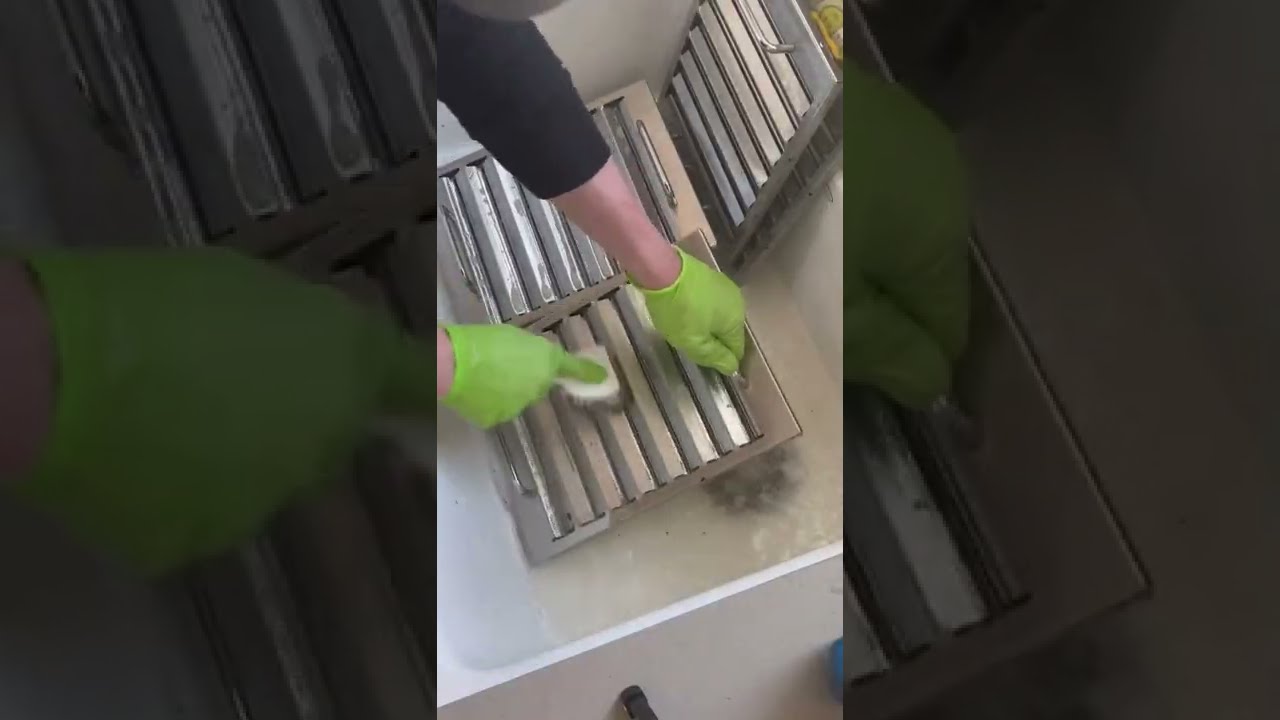
Managing Kitchen Grime and Smells
The kitchen is often the hardest battleground. It's where spills happen, cooking smoke lingers, and crumbs stage miniature parties.
Countertops and Appliances
Beyond the daily wipe, paying attention to the grout and the edges of appliances can make a massive difference. These areas are notorious dirt traps. A simple rubber grout brush can work wonders.
Sink and Drain Care
A smelly or stained sink basin is an instant mood killer. Consider adding baking soda to the drain once a week—it's a natural, gentle deodorizer. If you've ever tried a preventative maintenance routine like this, you'll understand that sometimes the simplest solutions are the most powerful.
Bathrooms: Beyond the Toilet Bowl
While the toilet bowl gets the attention, the surrounding areas often suffer. The shower curtain, the vanity mirror, and the faucet fixtures are prime spots for mineral buildup and soap scum.
- The Daily Polish: Keep a small bottle of glass cleaner and a microfiber cloth in the bathroom. Give the mirror and faucets a quick polish after use. It takes 30 seconds and makes the space feel instantly refreshed. Ventilation is Key: Never skip opening the bathroom window or running the exhaust fan. Proper ventilation prevents mold and mildew, which are the silent assassins of fresh scents.
Deep Cleaning vs. Maintenance: Knowing the Difference
It is important to understand that maintaining cleanliness does not mean neglecting deep cleaning. They are two sides of the same coin. Think of it this way: maintenance keeps the ship afloat, but the professional cleaning is the scheduled overhaul that checks the hull and replaces the rotten timbers.
Identifying "Deep Cleaning" Tasks
These are the tasks that require specialized tools, more time, or professional equipment. They include:
- Cleaning grout lines (beyond basic scrubbing). Washing window tracks and sills. Washing internal appliance components (like refrigerator shelves). Dusting light fixtures and ceiling corners.
When you know what the deep clean includes, you can better allocate your time and effort to the daily upkeep. For instance, if the professional service handles the window tracks, your maintenance routine can focus on wiping down the visible glass and sills.
The Value of Smart Tools
You don't need industrial-strength chemicals to tackle most daily grime. In fact, sometimes less is more. Investing in high-quality, reusable tools can extend your cleaning lifespan and make the process enjoyable.
Consider the difference between a paper towel pile and a durable set of microfiber cloths. They are a small investment that pays dividends in both efficiency and sustainability. Remember, the goal is consistency, not perfection.
"Cleanliness is not merely the absence of dirt, but the presence of care." This quote perfectly encapsulates the philosophy of preventative maintenance. By adopting these consistent, small efforts, you are constantly showing care for your environment.
Crafting a Sustainable Cleaning Rhythm
Ultimately, the secret to answering "How can I maintain cleanliness between professional cleanings?" lies in building a sustainable rhythm that doesn't feel like another full-time job. It’s about making cleaning a natural part of your life—a habit that is as automatic as brushing your teeth.
We are all busy people, and sometimes the thought of adding any chore feels like trying to fit an elephant through a keyhole. But by implementing targeted, manageable routines, you keep the house feeling fresh, controlled, and welcoming.
By viewing your cleaning efforts through the lens of prevention rather than reaction, you shift your focus from the massive backlog of grime to the small, enjoyable act of wiping a counter or polishing a faucet. This approach ensures that when the professional cleaners arrive, they are not rescuing you from a disaster, but merely providing a final, luxurious polish.
Start small today. Pick one high-impact zone—the kitchen sink, the bathroom vanity, or the coffee table—and commit to spending just three minutes making it shine. This small act of intentional effort is the bedrock upon which a consistently clean and peaceful living space is built.